Kyle experiences of home care (6:36)

Kyle talks about his experiences of the care and support he receives.

Kyle shares his experiences of home-care, the good staff members, the team leaders if you can get hold of them, but Kyle is not so happy with the managers! Kyle talks about the staff who come into the home, who he enjoys talking with and chilling out with, after doing chores! 😉

Continue reading

He was pushed to his limits (1:33)

He was pushed to his limits

The storyteller shares the extremely painful experience of her brother, pushed past his limit for the final time when a care worker, again, arrives 20 minutes late without calling and then says she needs to leave 40 minutes early.

Having experienced this repeated and the issue being raised multiple times, her brother insists she stay for her full shift and locks the door, creating what is described as a “lock in.”

The care organisation is called, police break down his door, and it is emphasised that the worker was never at risk and that he is not violent, only overwhelmed and trying to have his care covered.

Helping people from a child’s perspective (1:44)

Helping people from a child's perspective

A brother and sister use Lego to illustrate how they helped a homeless man by giving him some food. They use Lego to tell their story. They discuss the importance of treating everyone fairly, ensuring that no one goes hungry, and the emotional impact of seeing others ignore those in need.

Continue reading

Nonnie challenges with local Mental health services (3:42)

Nonnie challenges with local Mental health services

Nonnie describes the challenges faced by mental health patients in North Walsham, emphasising the need to travel to cities like Norwich, Kings Lynn, or Great Yarmouth for support, which can exacerbate stress and complicate recovery.

They talk about a personal experience of ending up in Accident & Emergency in London due to a mental health crisis. They highlight the bureaucratic process, where fulfilling administrative tasks often takes precedence over patient care, describing how this system fails to provide continuous support.

There is also an account of an unsatisfactory experience at a rest hub that focused on task and administration overshadowing patient care.

Nonnie shares a positive experience at Birchwood Surgery in North Walsham, where a dedicated mental health service allows for face-to-face interactions and comprehensive care. This establishment provides a model for primary care where regular check-ups and personal engagement are prioritised.

Continue reading

Kings Lynn Wheelchair Rugby Team coverage with Kyle (4:11)

Kyle 'Speedy' Fraser Kings Lynn Wheelchair Rugby Match

The conversation revolves around Kyle enjoyment of wheelchair rugby, what he enjoys, so much that he saved up for his own specialised chair. Kings Lynn Wheelchair Rugby was started by an individual injured during military service and struggling to find adaptive sports in Norfolk during COVID lockdowns. They describe how the initiative grew from solo sessions to a diverse group of 25 participants. Participants, both disabled and able-bodied, engage in wheelchair rugby, emphasizing inclusivity and community. They share their experiences, highlighting the joy, challenge, and camaraderie of the sport, with a special emphasis on the thrill and excitement of playing and overcoming initial hesitations.

Continue reading

Experiences of care and support in Norfolk (5:33)

Experiences of care and support in Norfolk

Holly talks about her experiences of care and support as someone with adhd and autism, and the impact that has had on her wellbeing and mental health. The feelings of isolation, related to not fully understanding herself. The impact of her neurodiversity in relation to not being able to work, and the further impact on her own mental health and wellbeing. Holly describes her experiences of the living well with autism course, what was really good about it, but also what was really bad about it. Including being taught ways to being more neurotypical! Her response – “I’ve been masking for 37 years I want to know how to not do this, [mask] not how to push me back in there”

Continue reading

The thing about libraries (1:49)

The thing about libraries

Andrew a longtime library employee explains how libraries are more than a traditional book-lending facility. They are vibrant community hubs offering various services from mental health support to migration assistance and warm drinks for those in need and ongoing programs like summer reading challenge for children.

James is deaf-blind. He talks about what it was like to have his assessment and review. (5:06)

James is deafblind. He talks about what it was like to have his assessment and review.

“James is deafblind. He talks about what it was like to have his assessment and review.

At his most recent review, he was asked lots of detailed questions about the hours his Personal Assistants work and the tasks they do each day.
James felt these questions did not fit his situation. They made him feel stressed and frustrated.

He sent an email to explain his communication needs. This helped a bit, but more changes were still needed.

James says the questions felt unhelpful and made him feel talked down to.
He says it would be much better if the review started with a relaxed chat, having a cup of tea together, before any formal questions begin.
He believes this calmer, more human approach would reduce stress and make the review feel more respectful and useful.”

Continue reading

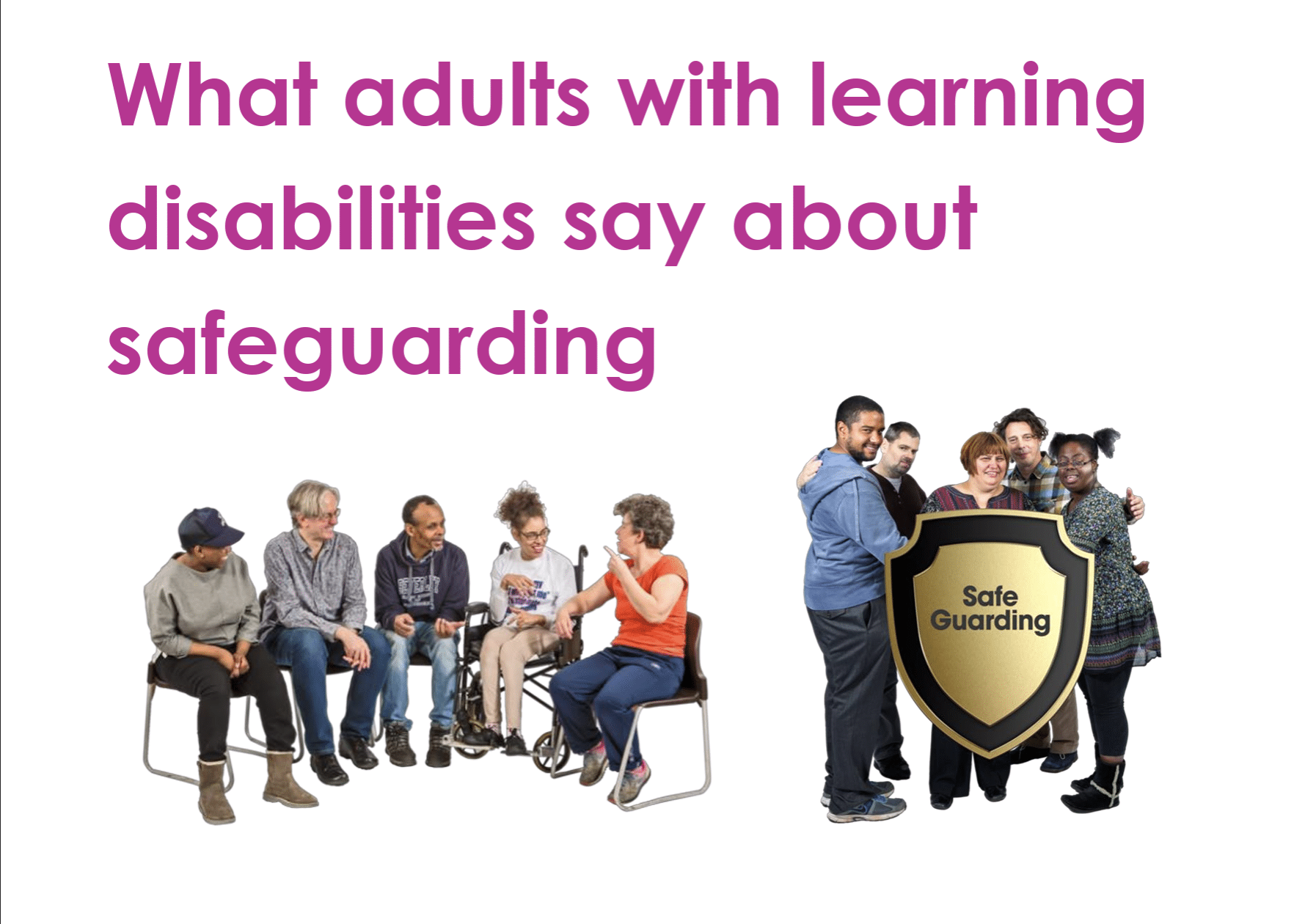
What adults with learning disabilities say about safeguarding

Safeguarding Adults
What adults with learning disabilities say about safeguarding - Opening Doors

Opening Doors spoke to 55 adults with learning disabilities about safeguarding. Safeguarding means keeping people safe from harm, abuse and neglect.

More than half of people did not understand what safeguarding means or how to report abuse.

People said they feel scared, unsure, or do not know the phone number.

Many people feel safest reporting at home, at the GP or at their social club. People trust friends, family, doctors, police and advocacy workers. They trust strangers less.

The report says people need clear, easy information, simple ways to report abuse, better staff training, and more support to speak up.

Living with Care: Pat’s Journey Outside Institutions (3:57)

Living with Care: Pat's Journey Outside Institutions

Living with Care: Pat’s Journey Outside Institutions

David talks about why live‑in care has been so good for Pat. Having the same carers for a long time means they feel like part of the family, which is very different from the more impersonal feel of a care home. At home, Pat’s life still feels normal, and she can stay connected to the people who visit her — something that often gets lost in care homes.

David also describes visiting care homes and noticing how little staff often know about the amazing lives residents have lived.

He ends by celebrating Pat’s life: her success as a children’s author, the honorary degree she received from Bath University, and the sadness that her illness now prevents her from knowing how much her work still matters.