The Real Care Deal is about what good care looks like (4:12)

The Real Care Deal is about what good care looks like

The Real Care Deal is about what good care looks like.

Christopher Collins, a Care Quality Commission registered manager with QCM Healthcare, explains his role and the range of care his teams provide across Norfolk. He talks about “The Real Care Deal” as a way to focus on what good care looks like, giving people in care settings a real voice rather than centring on complaints. For him, it’s about recognising each person as an individual, making sure they can speak for themselves, shape their own care plans, and feel in control of their future.

Positive experiences of care that make Jac and Baz feel human again. (4:31)

Positive experiences of care that make Jac and Baz feel human again.

Positive experiences of care that make Jac and Baz feel human again.

Jac talks about how staying at Meadow House changed everything for her. In other places she’d felt ignored, rushed, and treated like a body to be managed rather than a person. Even simple things like her vegetarian diet or having a cup of tea within reach were overlooked. At Meadow House, staff explained what they were doing instead of just doing it to her, checked in, said hello, and treated her with real warmth.

It helped her feel human again. She could smile and laugh, and the difference felt like moving from dark clouds into sunlight. Baz saw it too: seeing his wife happy, respected, and herself again brought him huge relief. After years of depression and cold, apathetic care, both of them felt the impact of finally being treated with dignity and humanity.

What led to Jac’s situation and first experiences of care (4:45)

What led to Jac's situation and first experiences of care

What led to Jac’s situation and first experiences of care

Baz and Jac recount their experience of what lead to their current situation. Following a severe bleed on the brain, which was not picked adequately up by the hospital when it first presented, sent home with paracetamol to return 3 weeks later into intensive care Jac is now disabled, with limited mobility, vision and cognitive ability. 14 months later after various hospitals and care homes Jac came home.

Experience in care homes have been mixed, with some ignoring that Jac’s mobility is limited, leaving drinks, tv remote controls etc out of reach or not providing drinks at all Other care homes they describe as very thoughtful in their interactions doing things like Halloween parties, miniature donkeys visits, checking in when passing her room to simple touches thing like a serviette with a cup of tea etc.

Continuing Health Care – Coordinating a CHC Review (8:10)

Continuing Health Care – Coordinating a CHC Review

Continuing Health Care – Coordinating a CHC Review

David describes a frustrating phone call with Liaison Care. Liaison asked for lots of documents about his wife – her medication chart, care plans, and risk assessments – but dismissed the detailed care journal the speaker already keeps. The call was full of misunderstandings, and Liaison didn’t seem to know much about Pat’s condition (PCA – Posterior cortical atrophy) or the care agencies involved.

Attempts to link up with Nightingale Care and Complete Care were also messy, with wrong contact details and confusion about arranging meetings on Microsoft Teams. In the end, the David feels the approach isn’t working and that the whole process may need to start again. 

The Real Care Deal Roadshow 2025

Real Care Deal Roadshow

The Real Care Deal Roadshow 2025

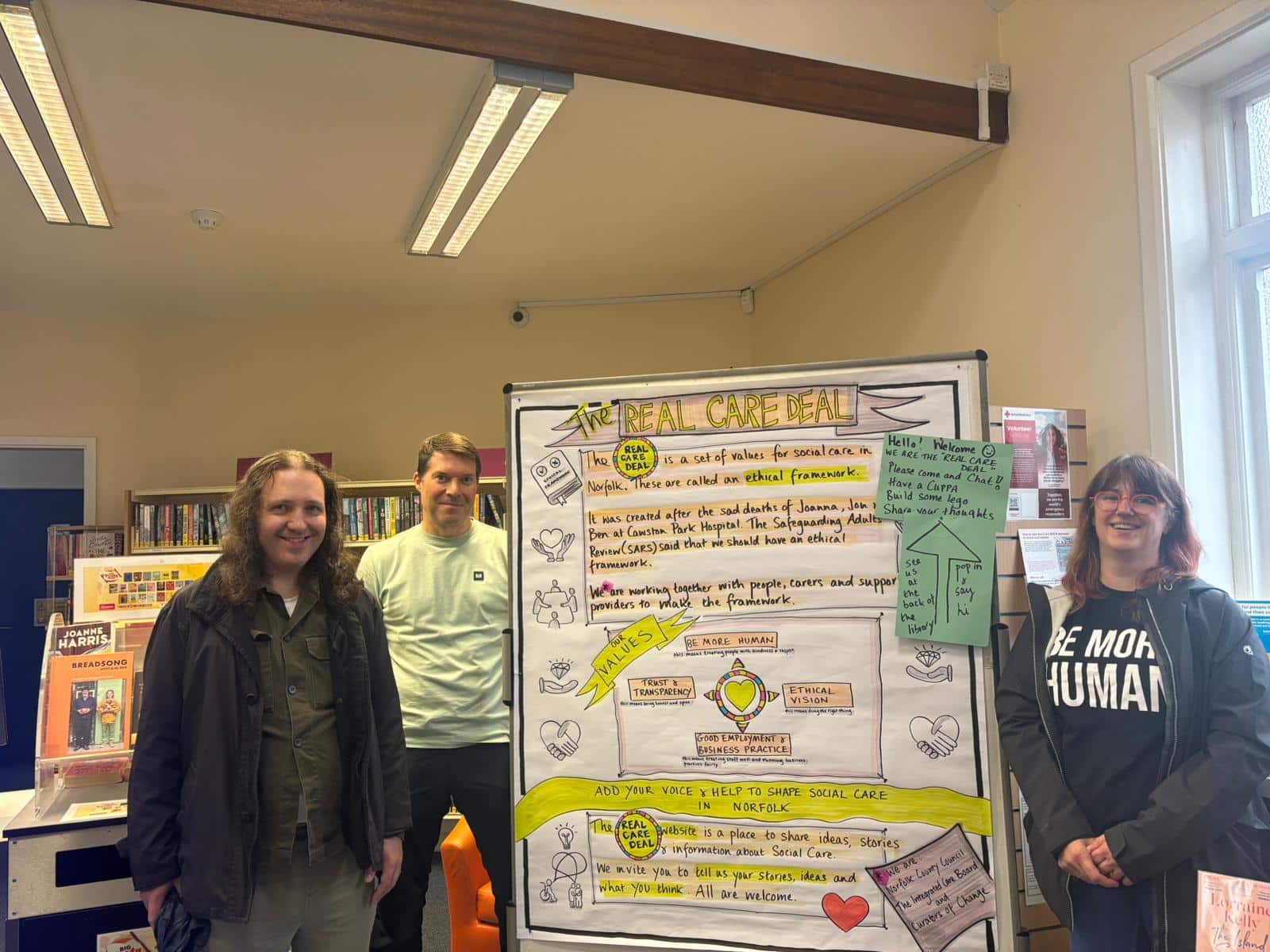
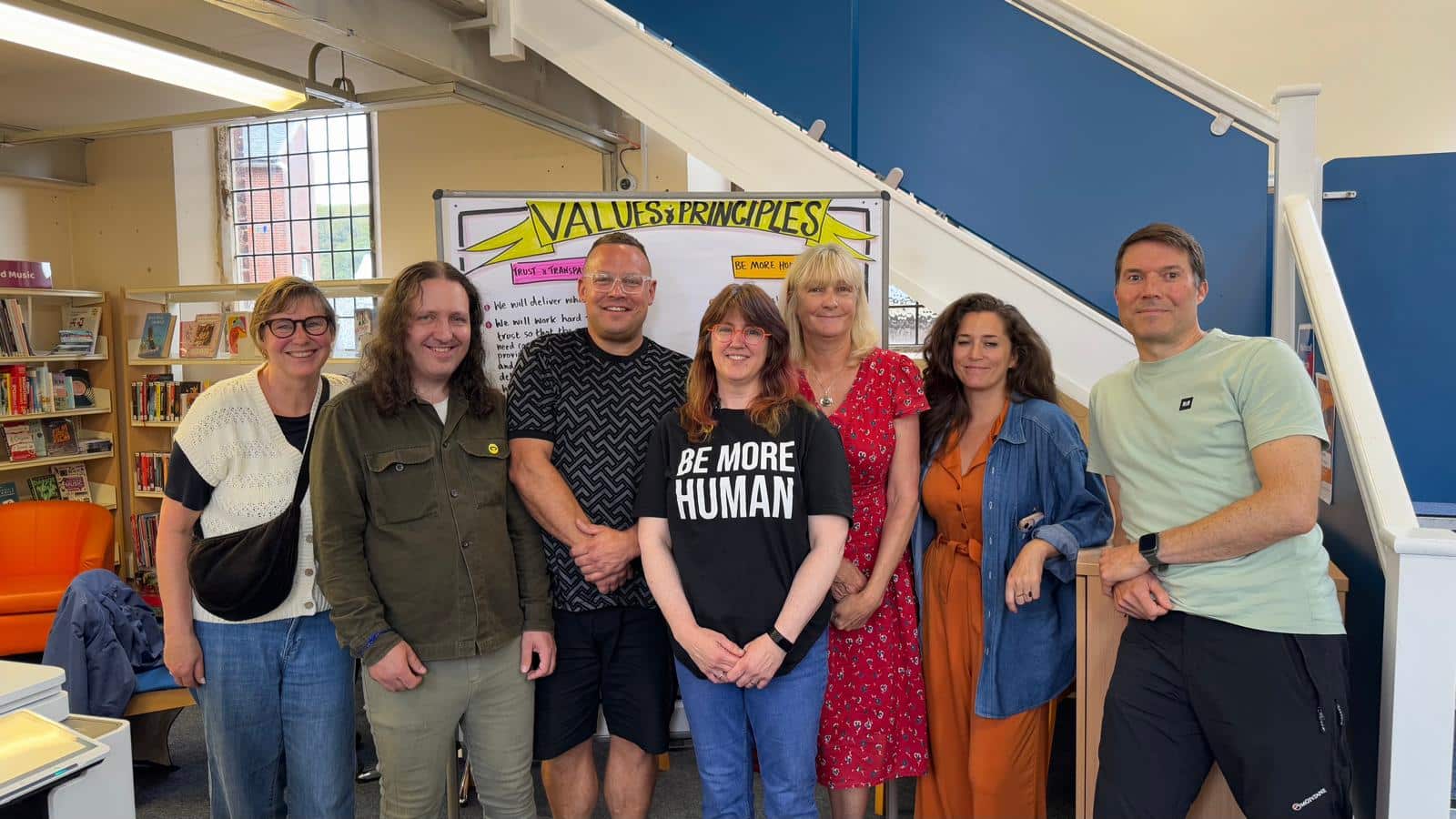
Real Care Deal Team Picture

At the end of July, the Real Care Deal got real! We officially launched the website making it available to the public, but more importantly the team hit the road to meet people across Norfolk and hear their thoughts.

The team for the week included Cat, Amelia, Nat, Sam, Alex, Nonnie, Jo and Kyle and Julia. We visited North Walsham, Cromer, Hunstanton, Kings Lynn, Diss, Wymondham, Great Yarmouth and Gorleston

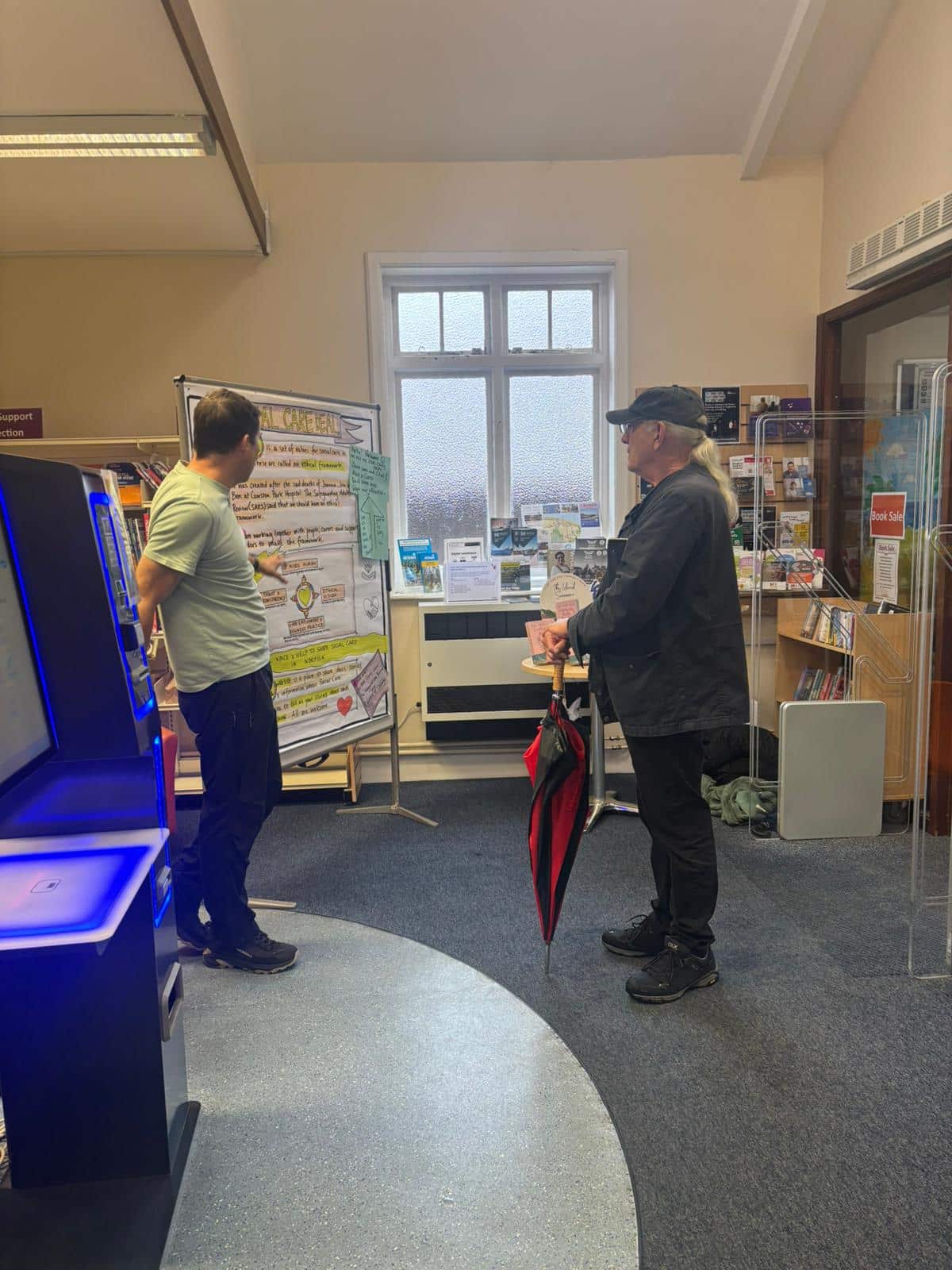
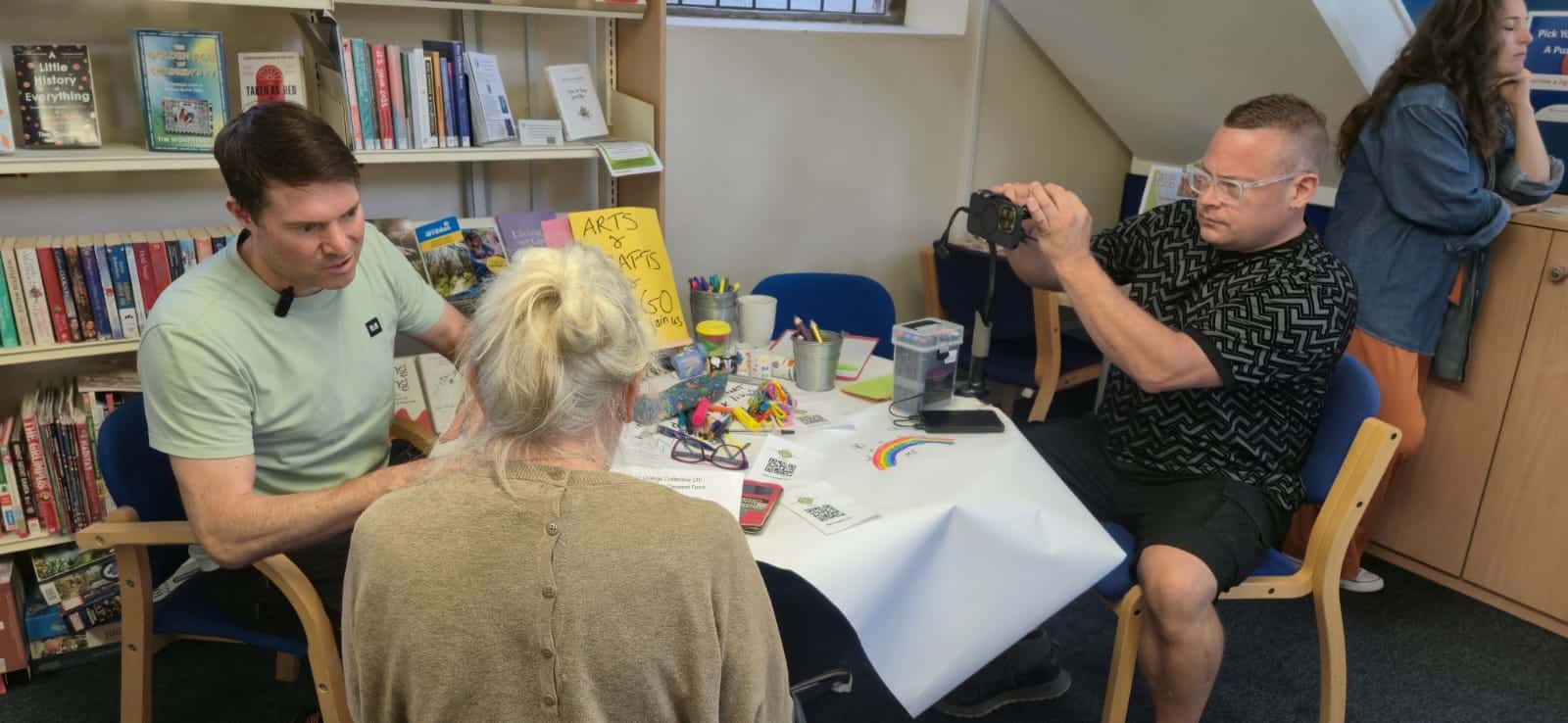
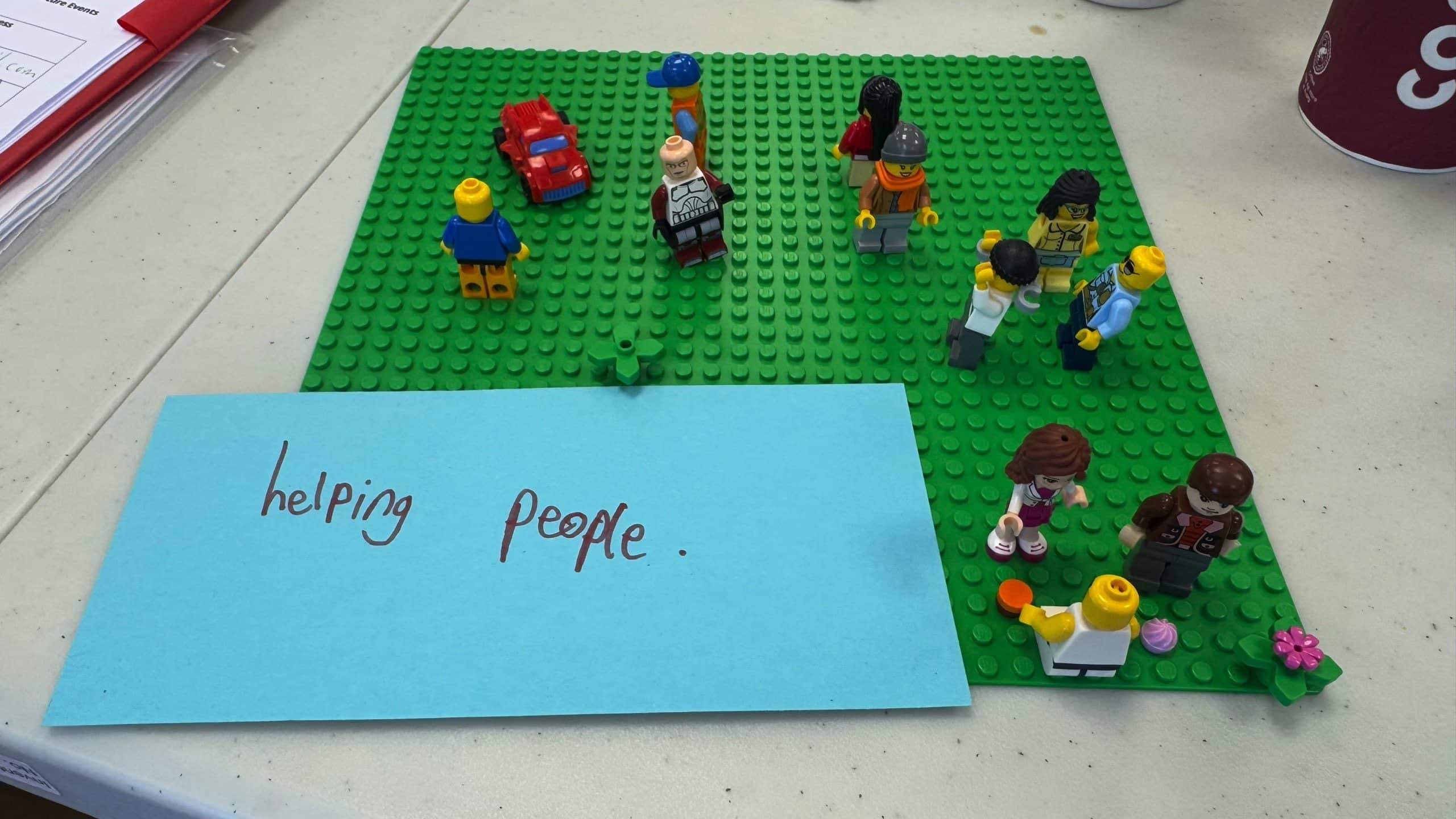
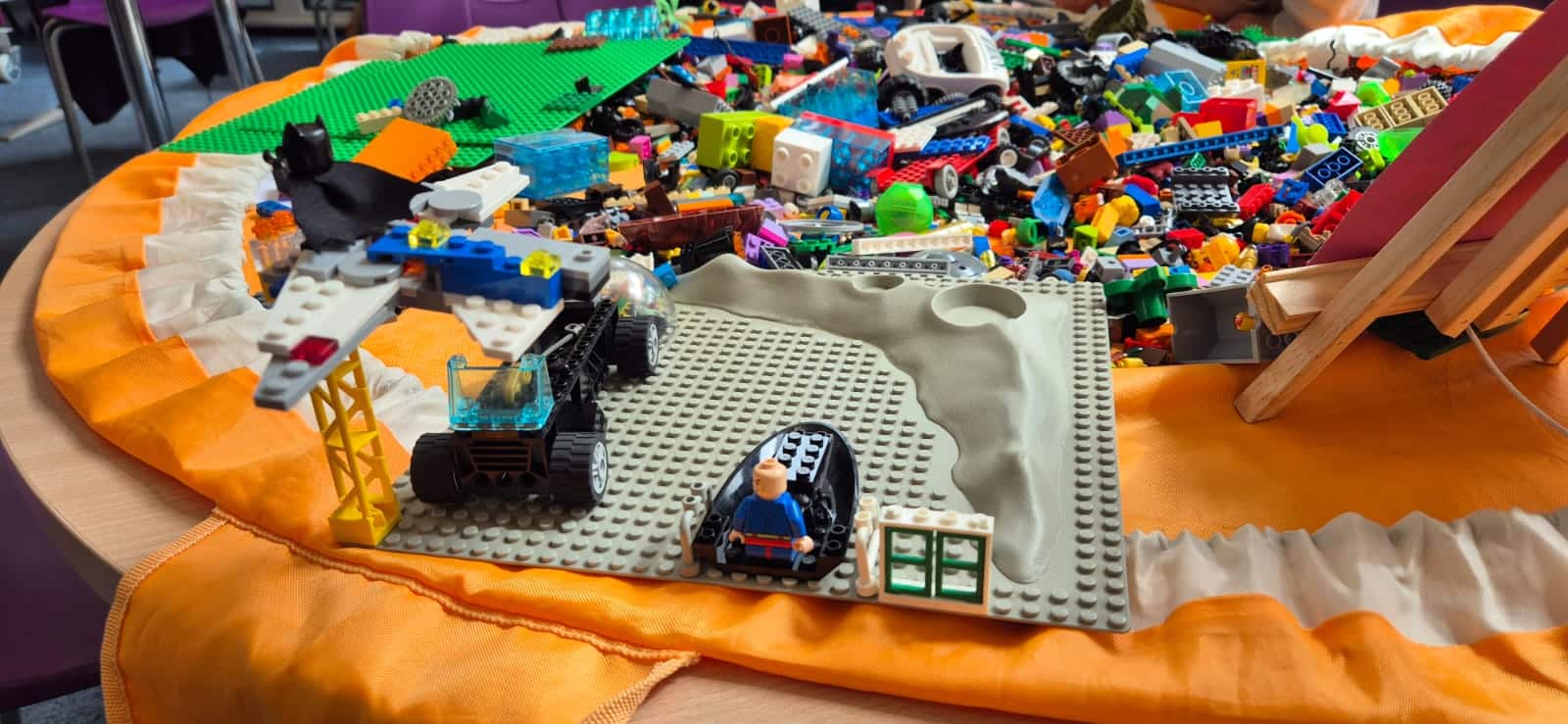
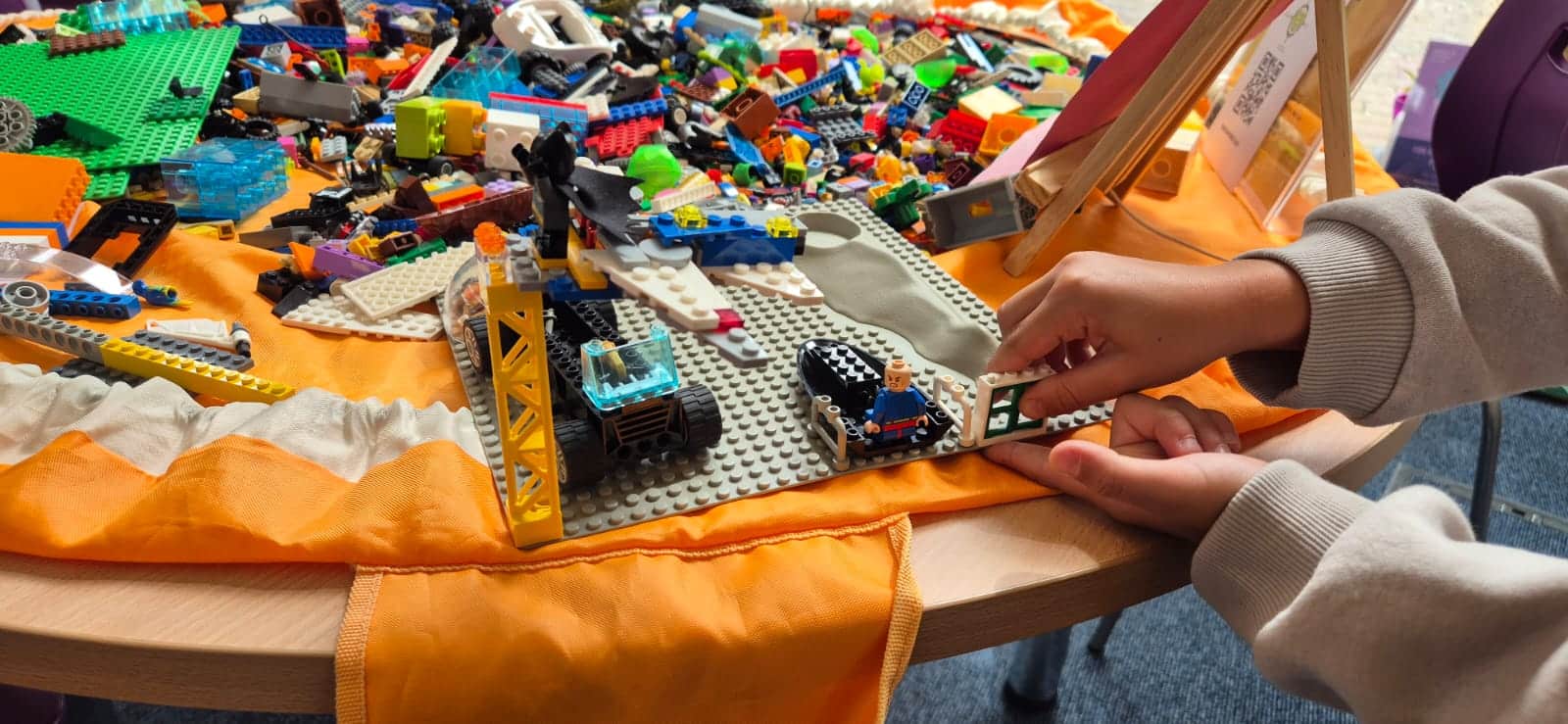
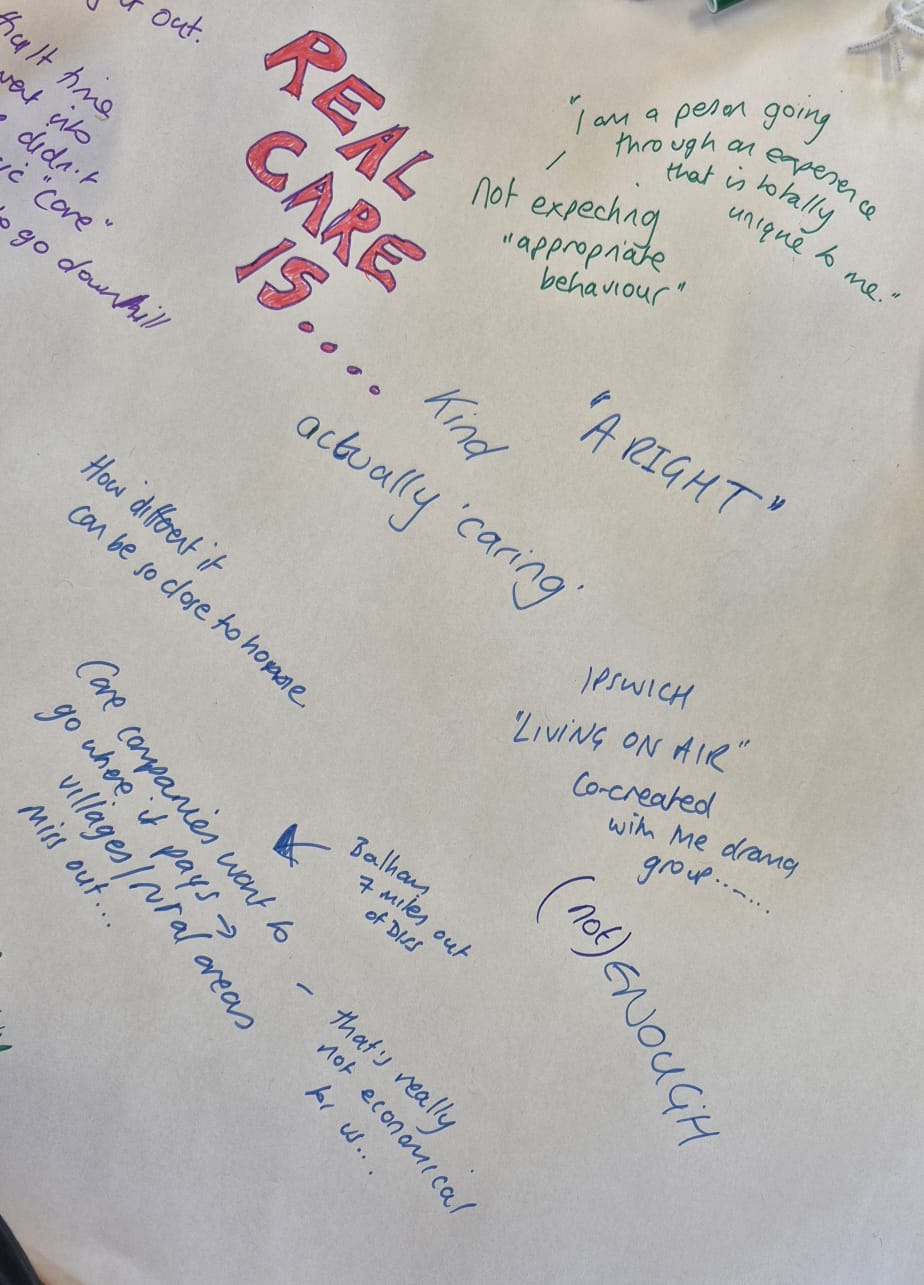
We visited libraries and community centres, bringing posters, pens, lego and play dough, to spark conversations about receiving care and support in Norfolk. 

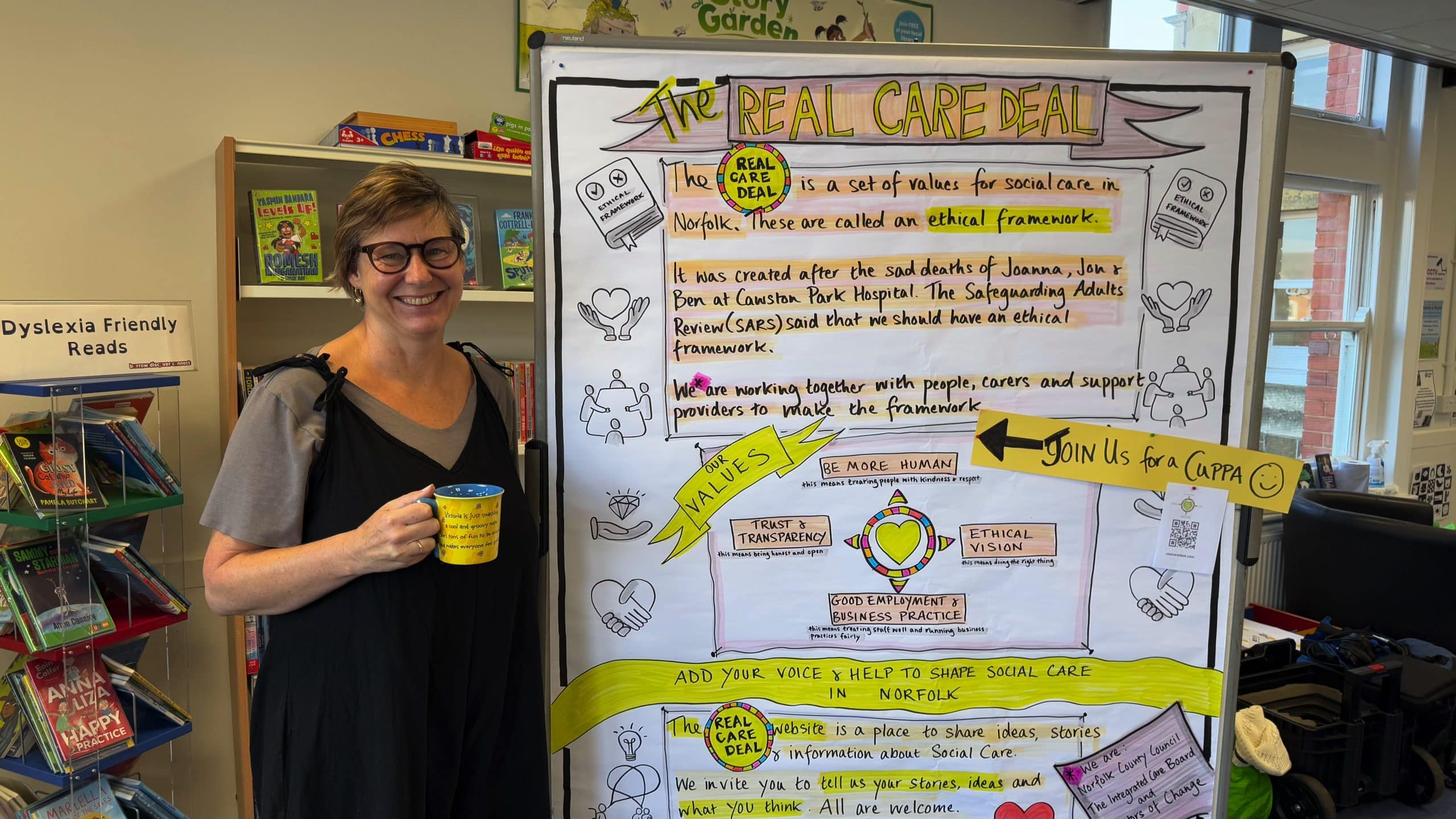
What did we learn first? Start with a cuppa – make tea first, ask questions later. Or even better, let people ask you the question “so what brings you here/what are you doing here?”

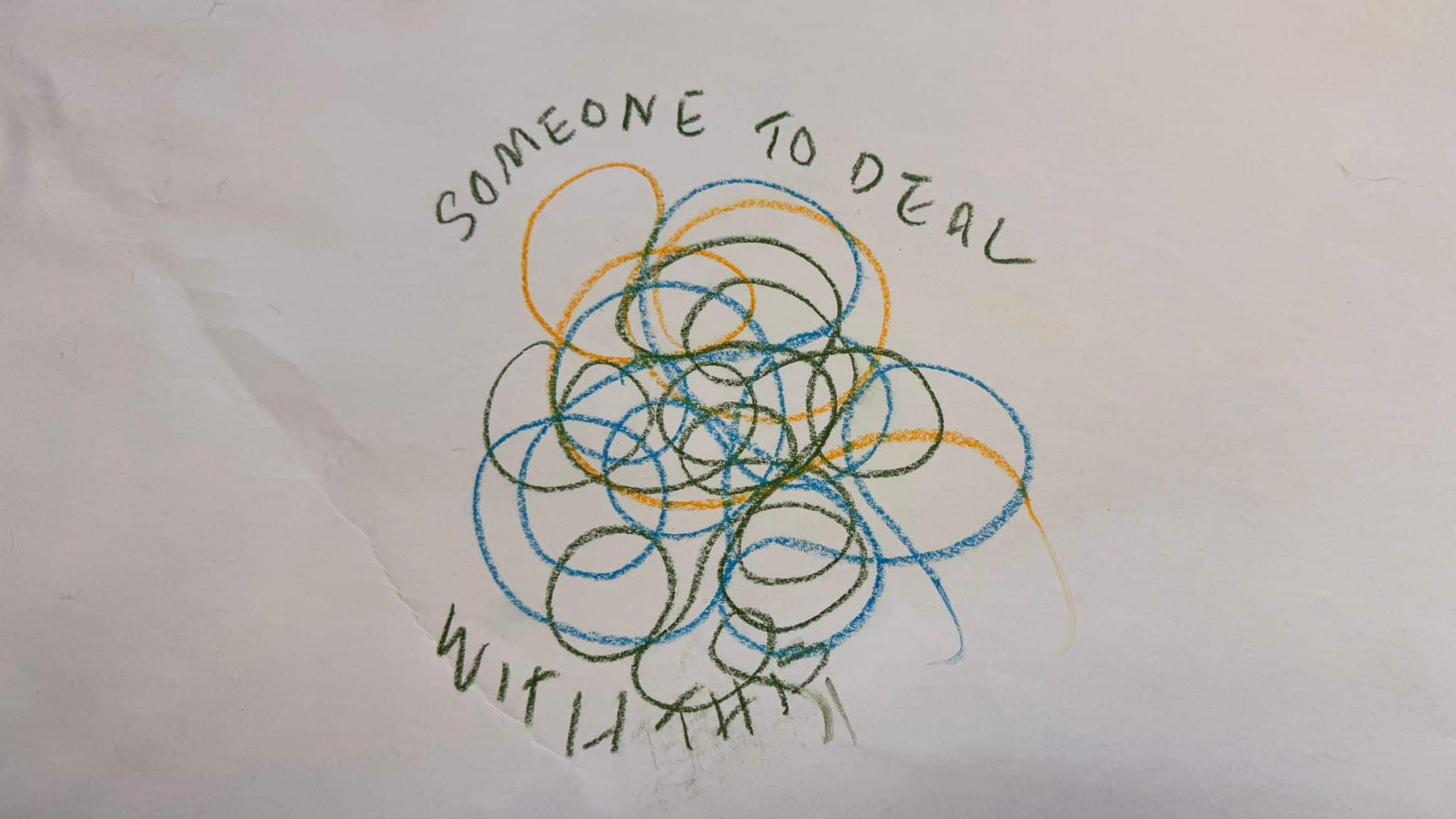
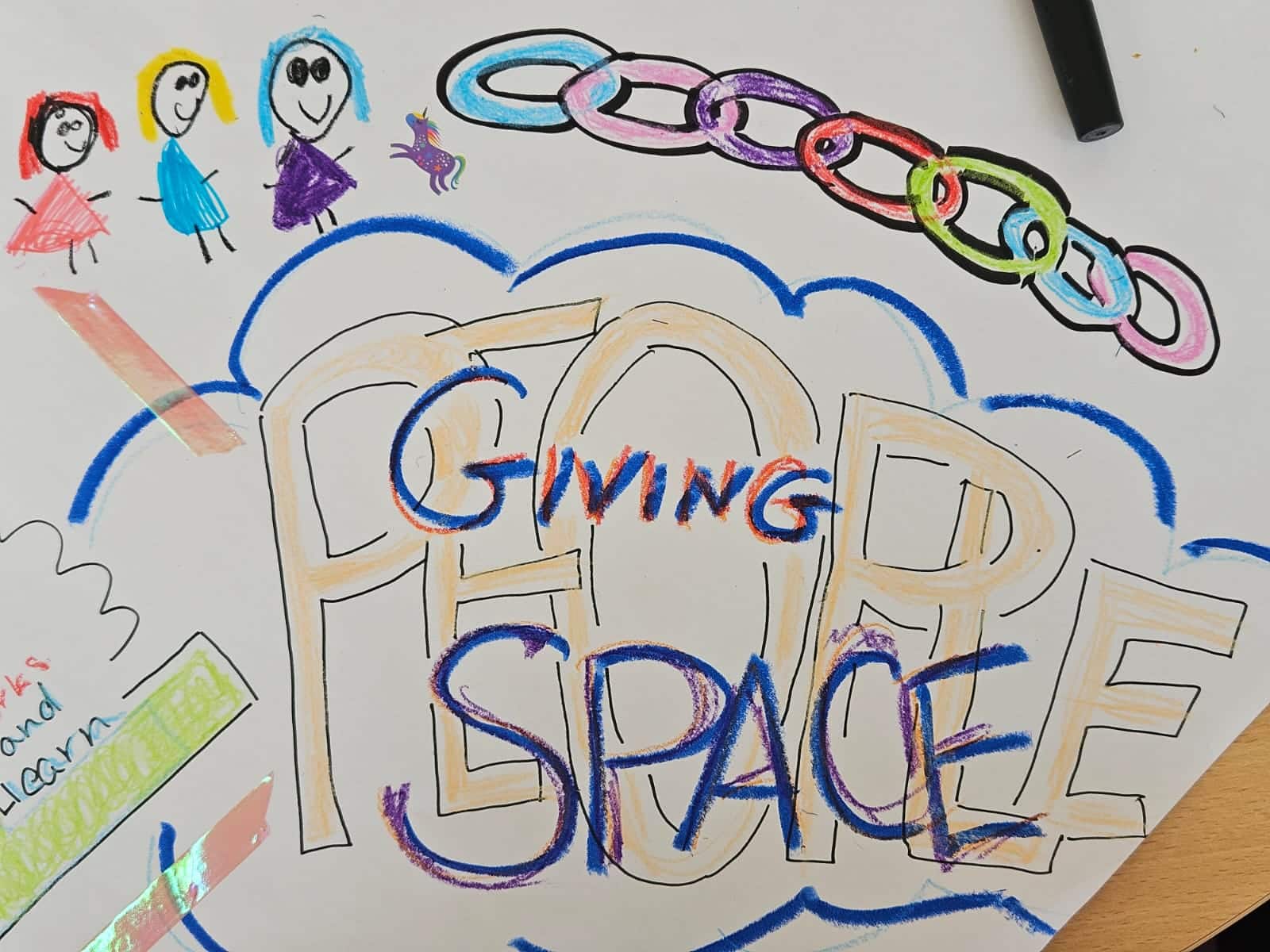
A child's view on how we should treat people

Here's a video summary of the roadshow in pictures

Why the Real Care Deal Matters 

One of the reasons the Real Care Deal is needed is because there is a lack of trust between services and the people who access them. 

The Real Care Deal is about rebuilding that trust, by listening, showing up and letting the community lead. 

Real Care Deal Roadshow

Libraries: More Than Books

“I like being able to drop in – no strings attached. I have the choice to join in or not…the Monday group often gets you going for the week” 

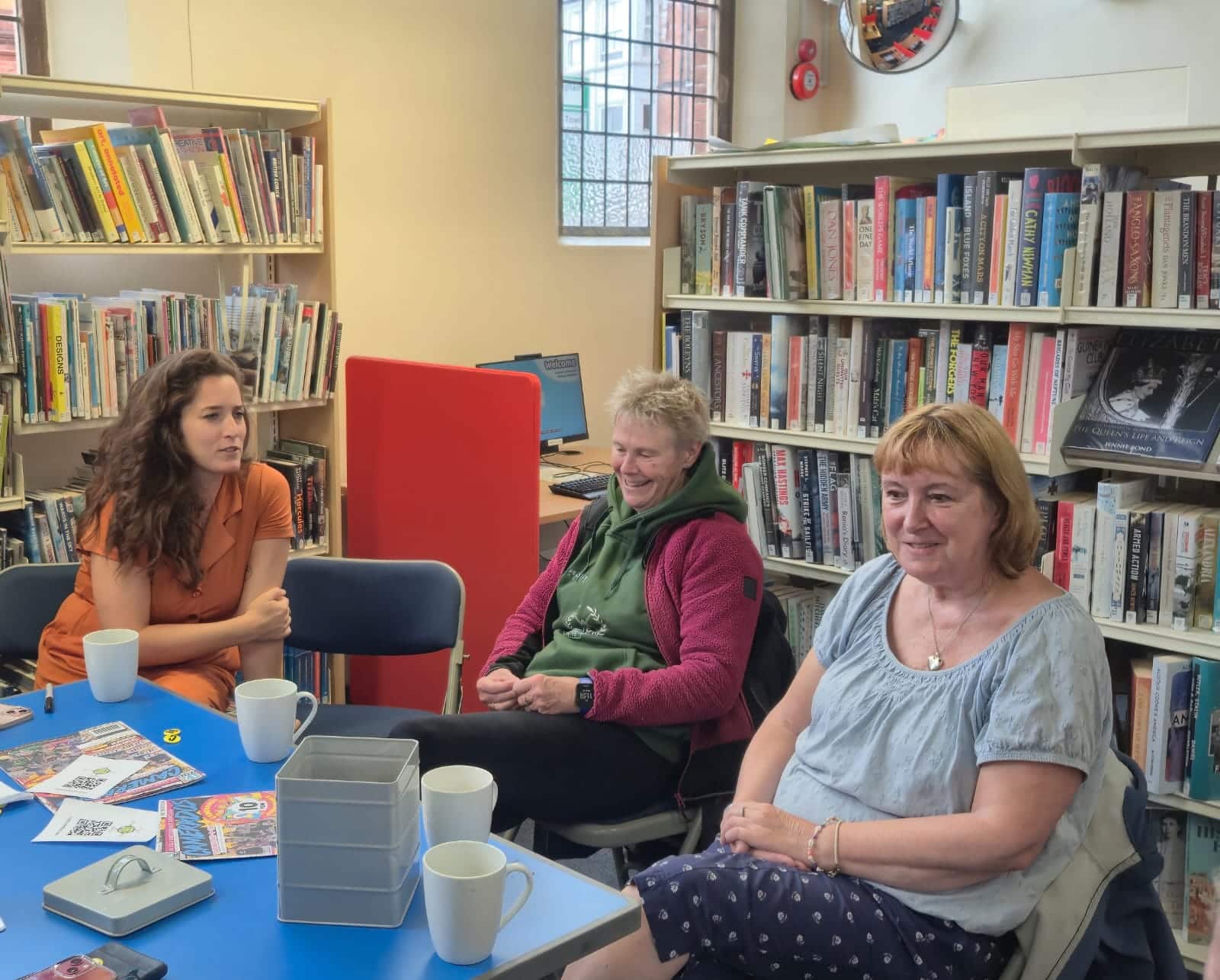
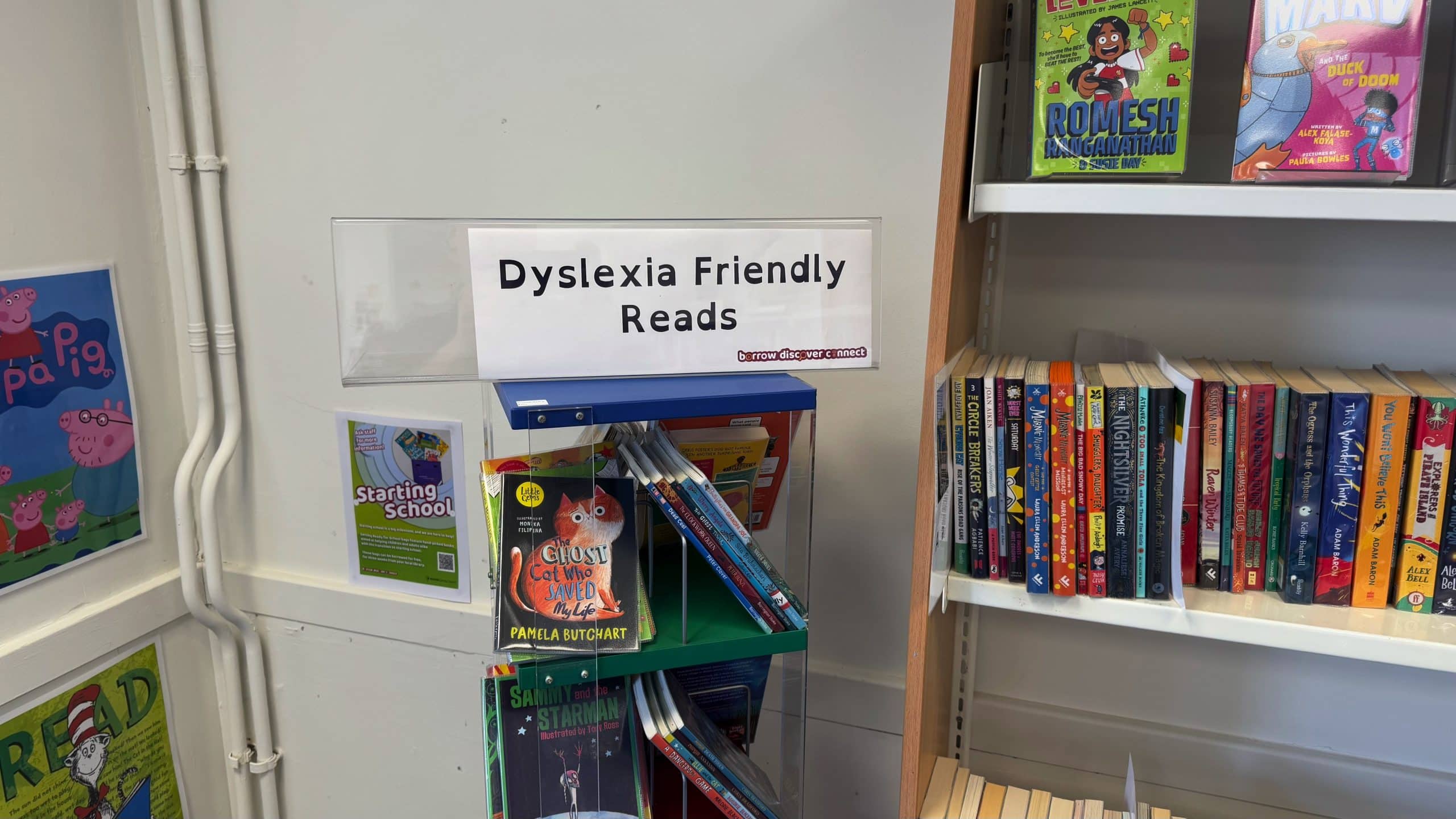
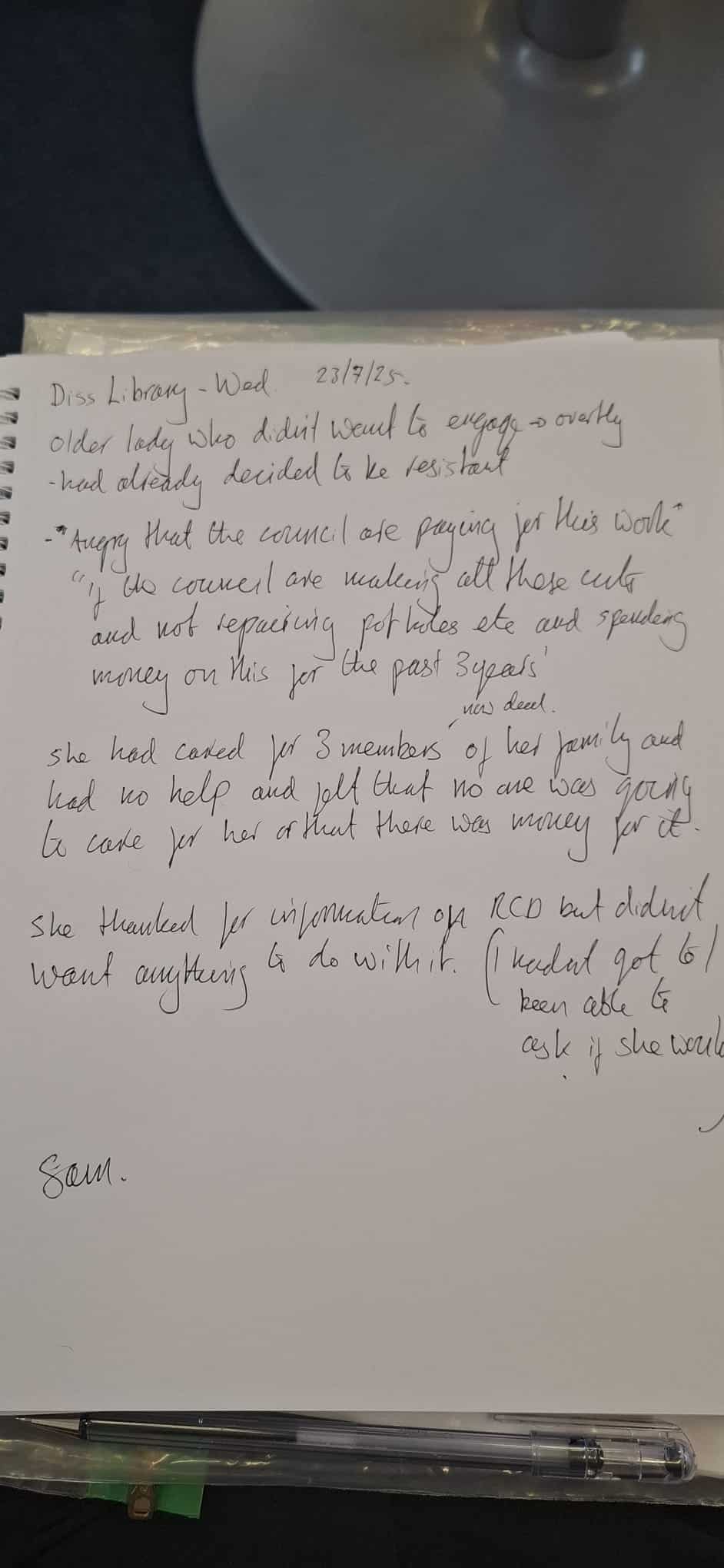
Libraries (and librarians) are hidden gems, and brilliant places for connection. They are free, welcoming safe spaces for people to come and connect. They offer so much more than just books – from Just a Cuppa (space to chat over a brew!) to knitting groups. 

But across Norfolk there is a wide range of different spaces; We saw that smaller libraries often feel more inviting, while bigger ones like Great Yarmouth’s offer space for larger community events. 

We observed that smaller spaces might be more effective at enticing people in.

North Walsham community Centre

Simple but not easy. 

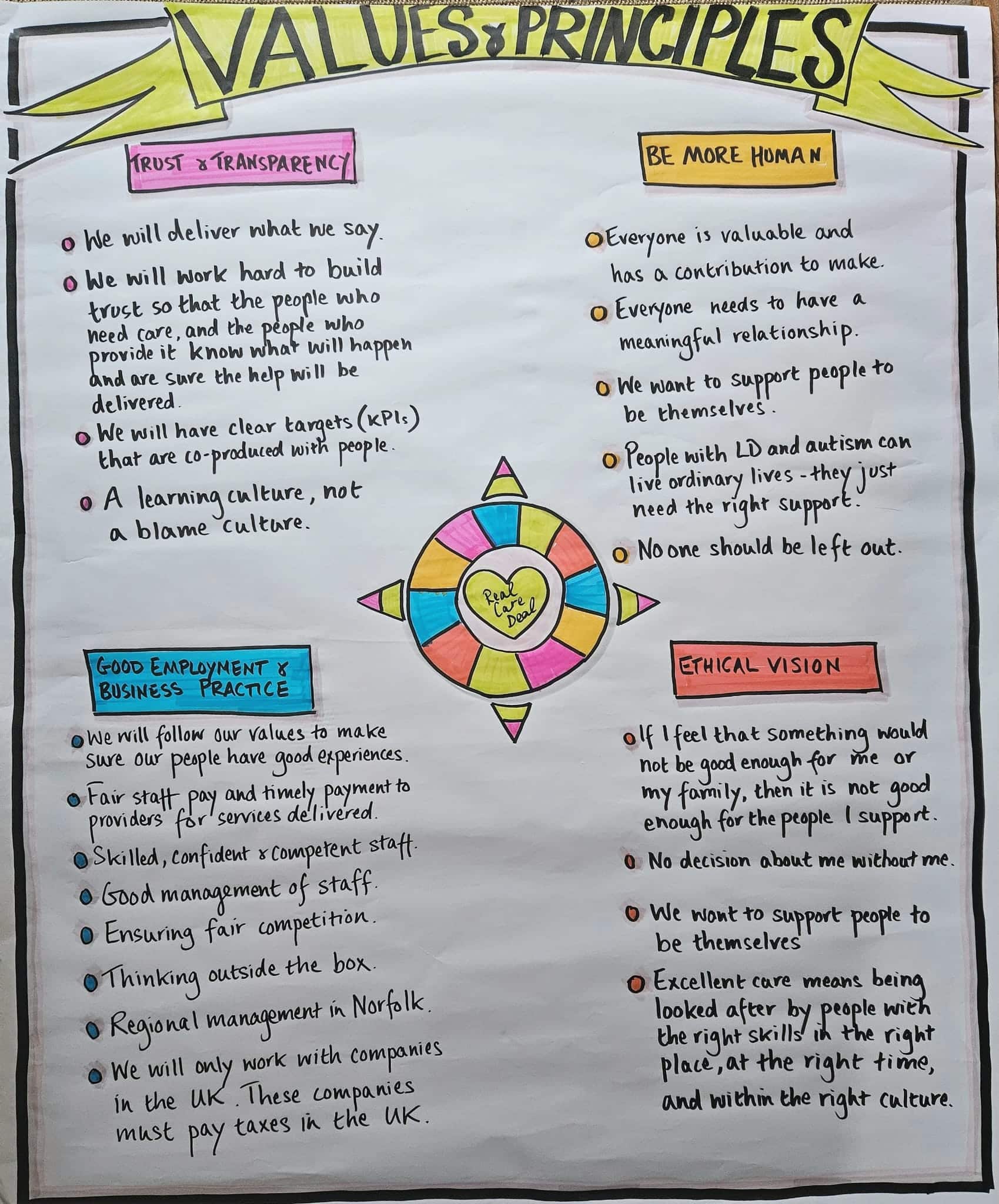
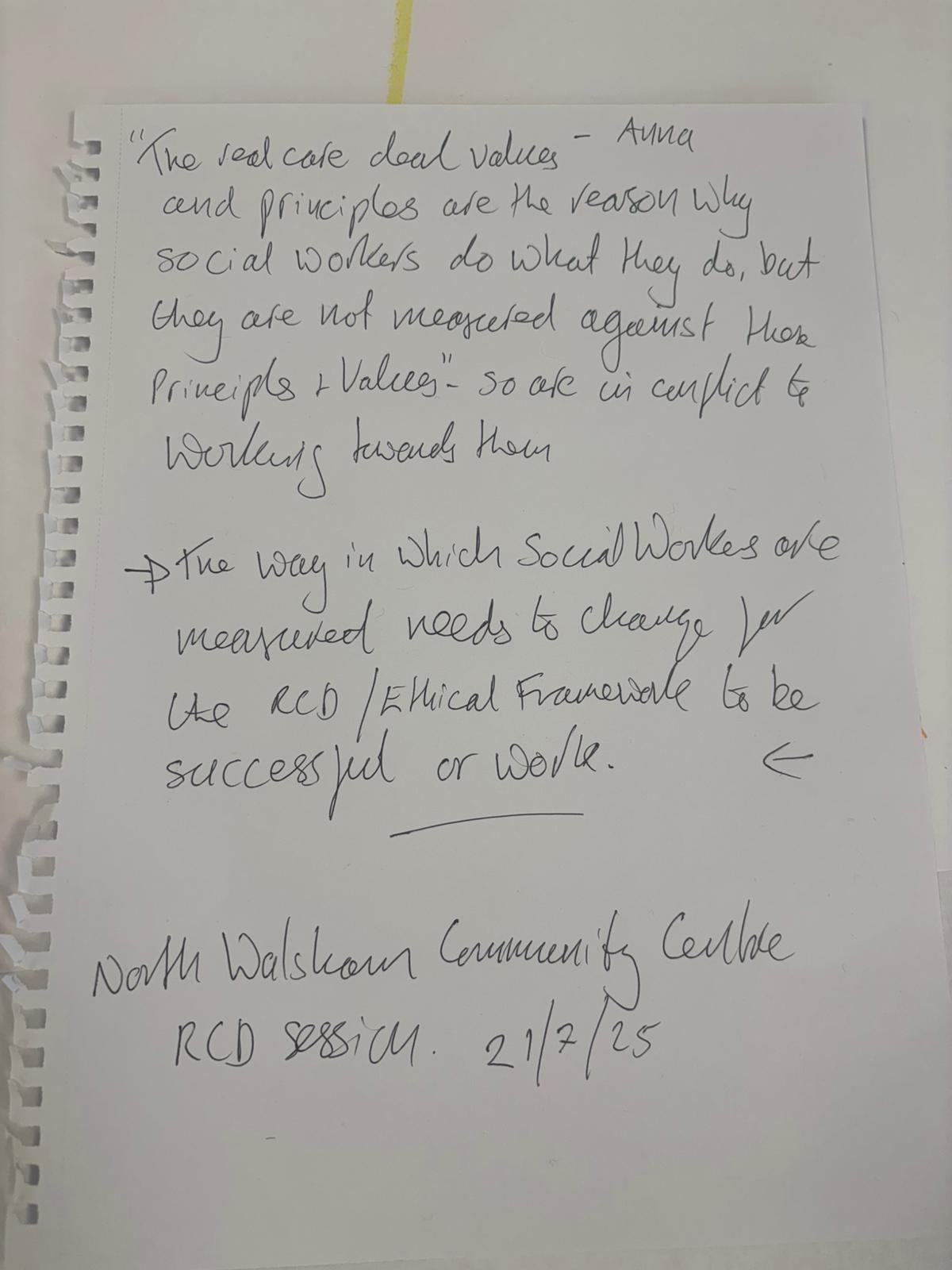
“the real care deal values and principles are the reason why social workers do what they do, but they are not measured against these principles and values”

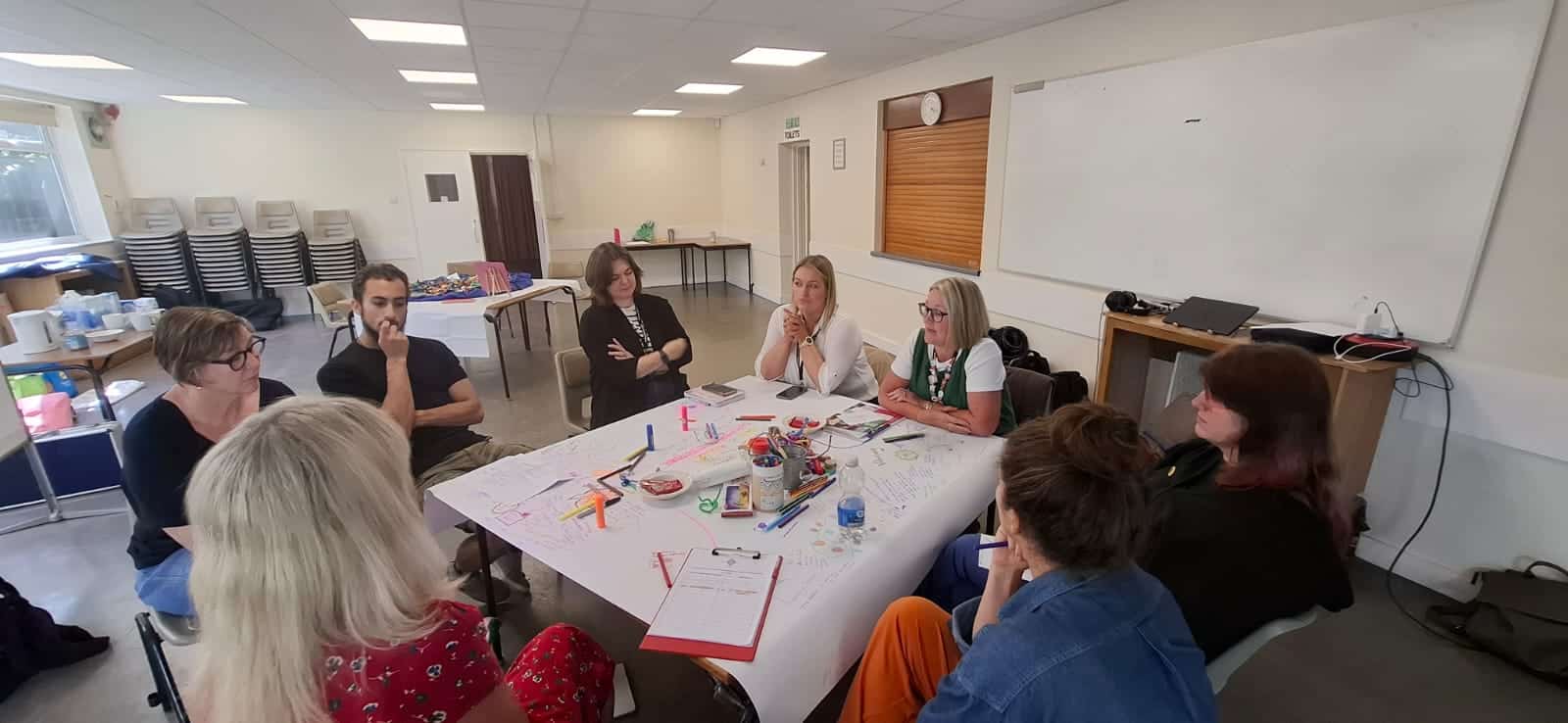
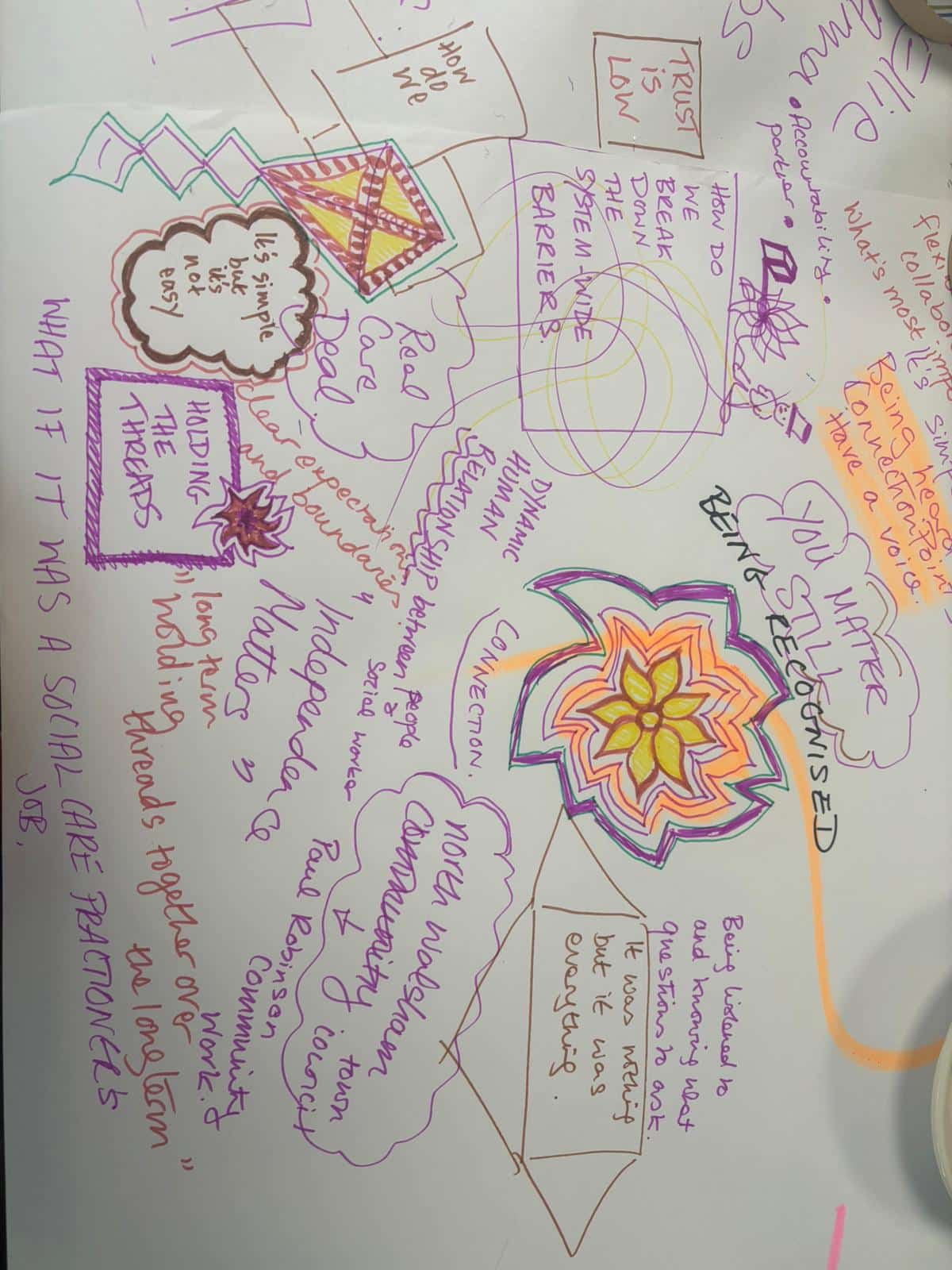
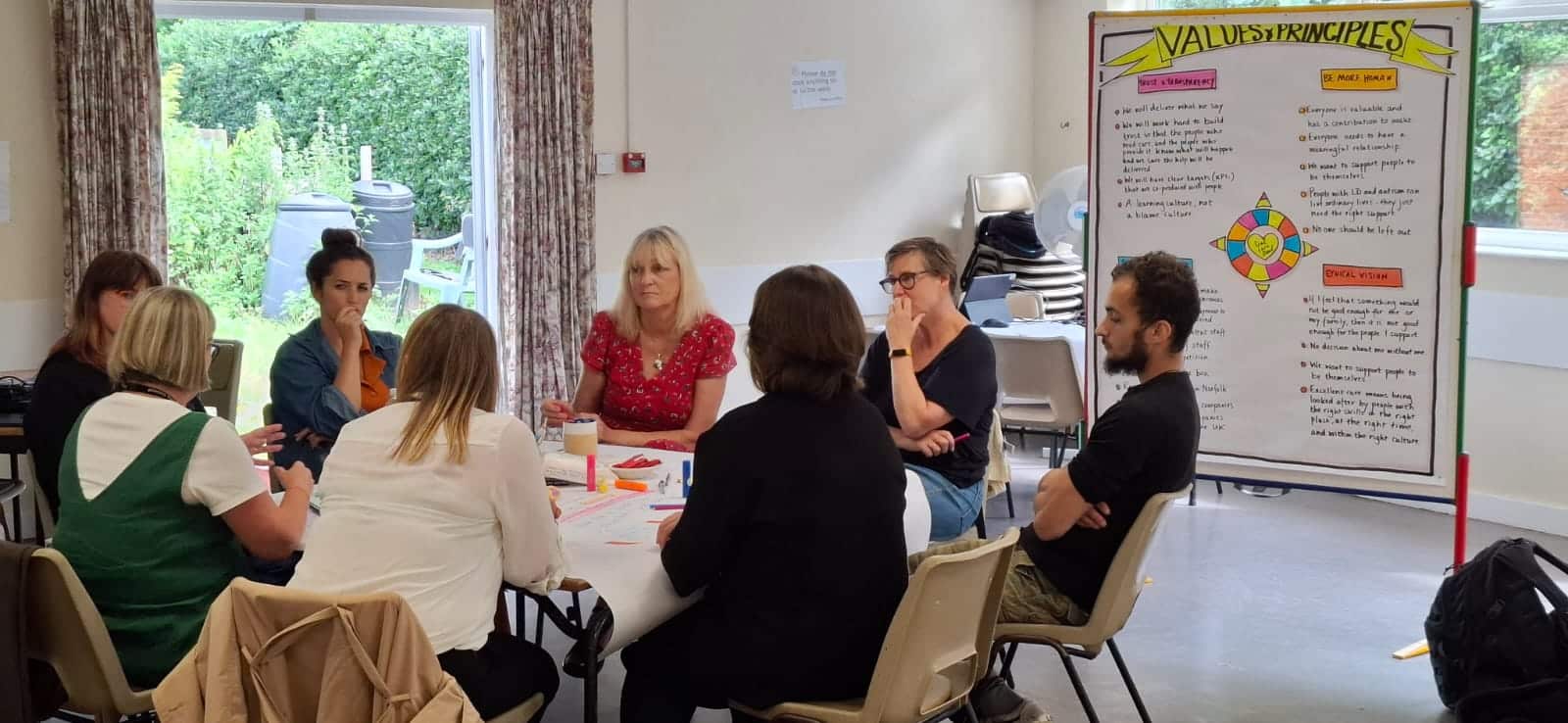
In North Walsham we held a relaxed workshop with practitioners to explore the website and how it could help them. 

Everyone reflected on how they’d experienced care and support themselves. Everyone agreed with the Real Care Deal’s goals. But, they also said that while being more human sounds simple, it is not easy when the care system measures success in other ways. 

Many want to work differently but the system rules and how money is spent make it hard. This is something we will be looking at in more depth. 

So, what did we learn from our roadshow? 

We have written a longer review of the roadshow with recommendations, but here are three important learnings: 

1. Being there matters: 

In each space, people asked if we would be coming back. That showed us how important it is to be present with people, not just once, but regularly. 

The Real Care Deal won’t make a difference unless it (we) are regularly and consistently visible in everyday spaces. 

2. Tech is not a cure all

“Nothing is simple anymore”  

Digital tools can save time and money, but they will not work for everyone. In every location people told us they struggle with technology – whether it’s paying for parking, or simply getting on the internet for basic services. 

We need to keep this in mind as we plan for the Real Care Deal. 

3. Super connectors are key: 

Many of the people we met were ‘super connectors’; people who are well known, liked, trusted and deeply involved in their communities. They gave us insights, contacts and information we would not have otherwise learned.

Co-Production Event – The Forum Norwich

What does be more human mean

Co-Production Event 2025 – The Forum Norwich

This years Annual Co-Production event has taken place at the Forum Norwich. Great attendance from the county’s accessibility providers. 

The Real Care Deal were there to showcase the latest news from the development of the website and forthcoming roadshow to launch the website. 

The video clip above is just a taster of the work we’re doing within Norfolk to share the good news and productivity in the co-production space. 

Latest Posts

No results found.

Difficult decisions: Trust and Transparency (3:25)

Difficult decisions: Trust and Transparency

Difficult decisions: Trust and Transparency

Chrisptopher gives talks about what meaning trust and transparency has in relation to care and the Real Care Deal.
He shares the story of a senior nurse with mobility issues who needed to transition from using a frame to a hoist for safety reasons. Despite the nurse’s long-standing relationships with her GP, district nurse, and OT, none of them were able to tell her about the needed change.

After a difficult conversation Chris received gratitude from the nurse’s daughter for addressing the tough decision. Later, the nurse herself apologised for her initial reaction and appreciated the speaker’s honesty.

This story highlights the importance of difficult but necessary transparency in care decisions.

The Real Care Deal is about carers having enough time to care (3:57)

The Real Care Deal is about carers having enough time to care

The Real Care Deal is about carers having enough time to care

Jac and Baz reflect back what think a ‘Real Care Deal’ should mean. It would be about having enough carers, carers that have enough time for conversations and get to know the person they are caring for. Care being more personable and understanding.

Where people are more important than profit. Cares not under pressure the whole time rushing from care job to care job. This would enable people to feel more human and not a number. This would mean people recieving care look forward to being care for by happier friendly staff rather than dread who they will get or how miserable they may be. They refer to good experiences and the significant of impact this has on wellbeing.

Building connection and community in care (3:12)

Building connection and community in care

Building connection and community in care.

Gina and Ian talk about how they have seen the shorter but more regular visits provided by NR Care alongside wider support from staff at The Great Hospital whilst ensuring residents get what they need it has also nurtured greater connection between residents themselves.

Ian notes that what is often most important to people is not necessarily what you need but what you wish for which is often as simple sittiing down over a cup of tea and a chat.

With the wider activity, communal restuarant and events at The Great Hospital these combined factors have organically begun to reduce isolation and nurture connection. Gina gives examples of how the Local Authority has been working alongside them.